A redesign that turned friction into trust – and proven with data
PRODUCT DESIGN
UX STRATEGY
STAKEHOLDER ALIGNMENT
DATA-DRIVEN DESIGN
USER RESEARCH
Overview
The PRE (Pre-Rate Experience) — content users encounter before reaching the mortgage rate table — was introduced in 2021 to satisfy Google's E-E-A-T guidelines. It worked: the pages reclaimed top search positions and grew to represent 78% of earned rate table sessions and 63% of earned revenue across the mortgage vertical.
By 2025, the landscape had shifted. Transactional search share of voice was declining as Google prioritized AI overviews and simpler brand experiences. The PRE that once protected rankings was now creating friction for the users it was meant to serve. Pre Big Swing was the initiative to fix that — fundamentally, not just visually.
The Problem
Users had to navigate a two-click journey through dense educational content before reaching actual rates. The structure made sense in 2021; by 2025 it was a liability. The landing experience served learners, the rate table served doers, and neither did both jobs well.
The competitive pressure made it urgent. Freddie Mac, US Bank, and others had moved toward simpler, rate-forward pages — and the PRE wasn't keeping pace.
The Goals
Three success criteria guided the work:
Engagement – element tracking, time on page, bounce rate
Conversion – CTR, CTL, RPS
Organic traffic – sessions and share of voice
One hard constraint from the start: the rate table and below-fold content were out of scope. This was a
PRE redesign.
Prior Testing
PBS built on years of prior iteration. Version 1 (dark-mode redesign) became the new baseline after lead form completion rose 9% and mobile RPS rose 11%. Version 2 (daily rate ticks above the fold) proved too volatile — performance swung with rate movement. Version 3 revealed a consistent split: what wins for SEO traffic doesn't always win for direct traffic.
Audience data reinforced the challenge: 63% of rate table sessions came from high-engagement users responding to trust signals; 21% were active information seekers. On secondary pages, 65% were engaged decision-makers — predominantly mobile — who explored before committing.
Design Exploration
I identified two user types the redesign needed to serve without forcing them into the same path:
Explorers – first-time shoppers who need guidance, context, and trust signals before acting
Experts – high-intent users who want rates immediately
Two concepts were developed alongside the live controlled experience:
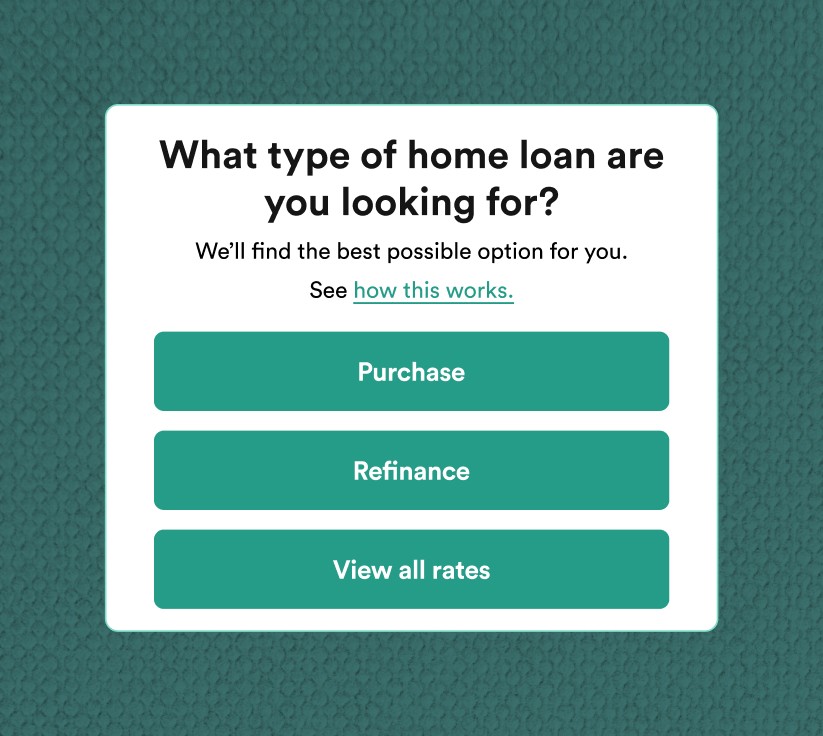
Intent-led design – A form-first flow collecting loan type, credit score, home price, and down payment upfront. Answers dynamically filtered results, making the experience feel tailored rather than generic.
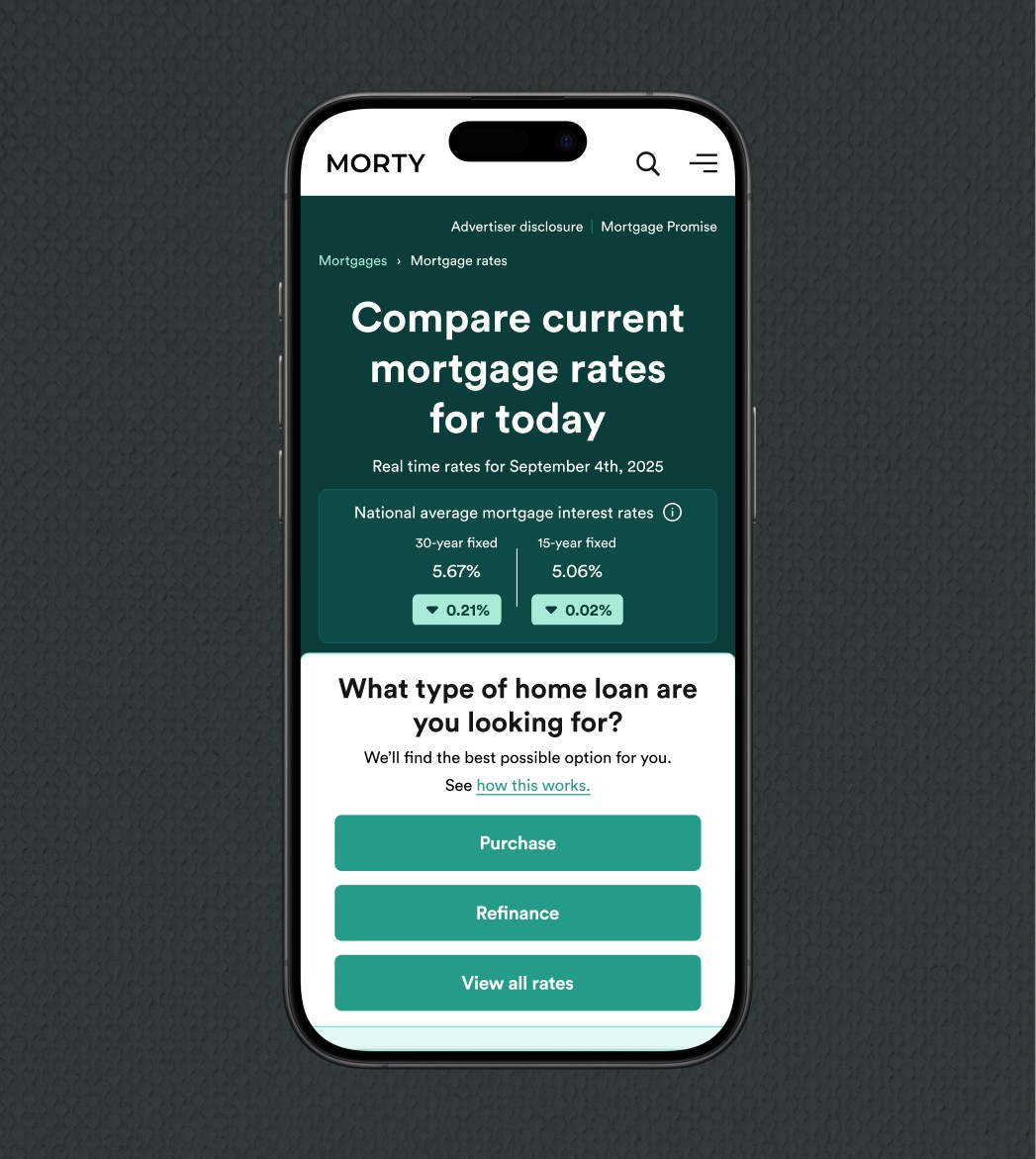
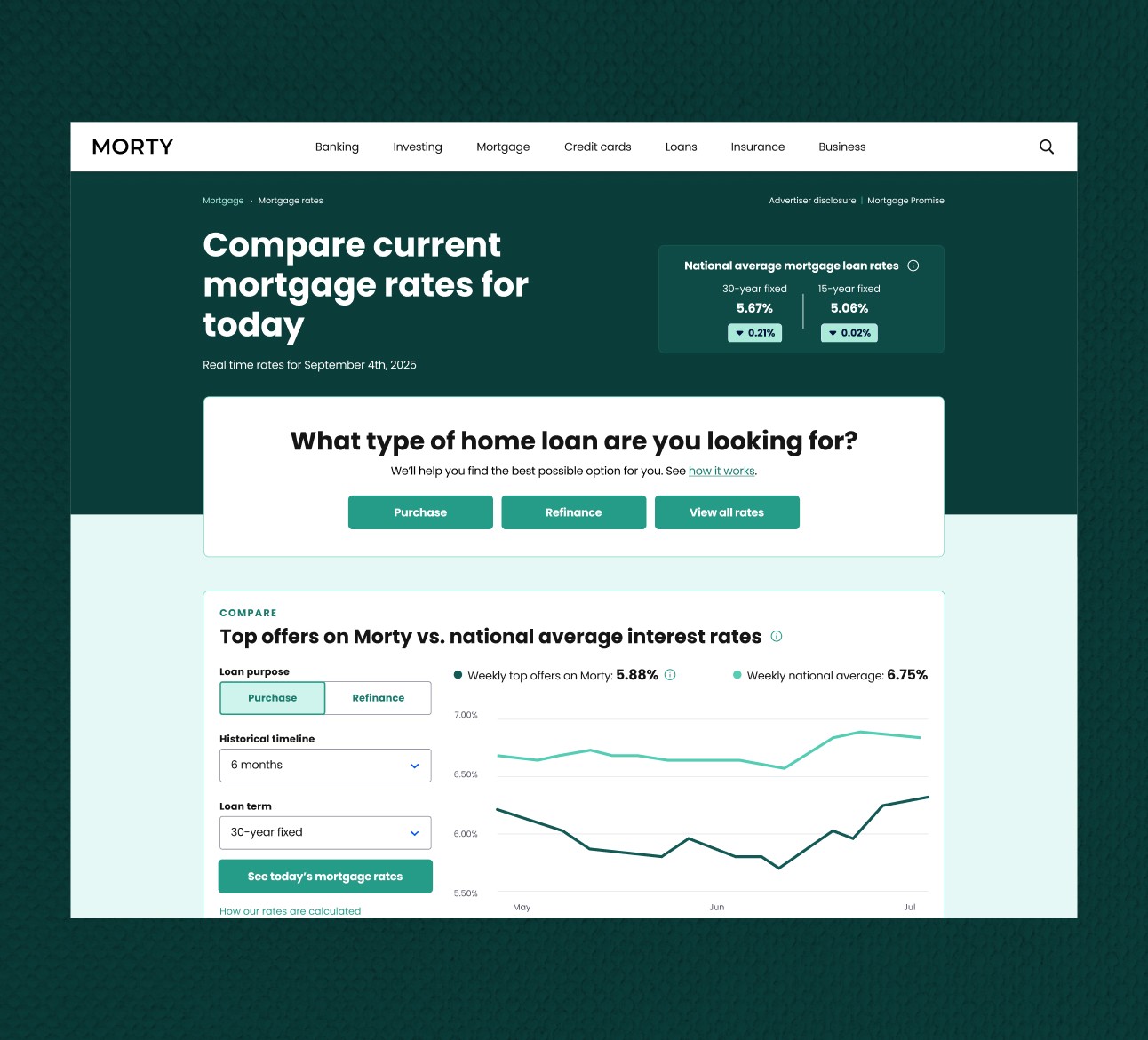
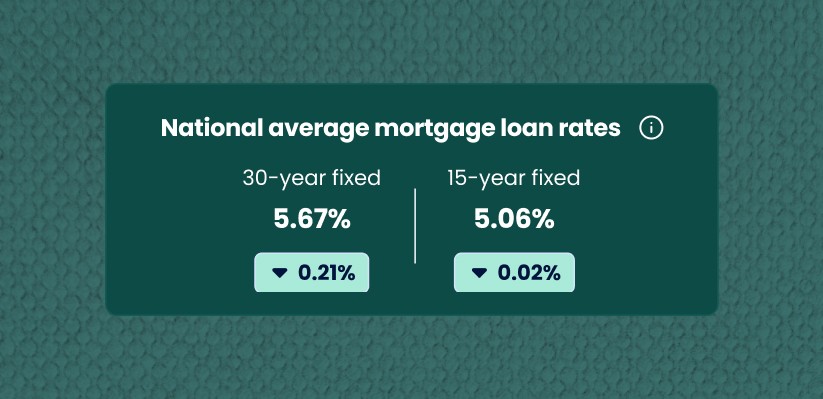
Rates led design – Daily rates and week-over-week movement surfaced immediately above the fold. Personalization tools and supporting context available below for users who wanted depth.
Navigating Misalignment
As the rates-led concept took shape, the SEO team raised a real concern: surfacing rates too prominently could signal an overly transactional page to Google's algorithm — potentially eroding the search rankings the PRE was originally built to protect.
The CE team saw it as a valuable experiment. The SEO team saw it as a risk. Rather than letting the debate stay abstract, I walked stakeholders through the tradeoffs of each direction and made the case that testing — not assumption — was the only way to answer the question definitively. That reframe moved the conversation from resistance to curiosity, and the team aligned on testing all three designs.
Research & Testing
Testing ran through Userlytics in August 2025 with 101 external participants (51 desktop, 50 mobile) and 20 internal users, all screened for mortgage shopping experience. Sessions were 15 minutes each. A follow-up unmoderated study with 10 additional participants isolated a specific question: were users drawn to the rates-led design because of the rate content, or simply because the table was higher on the page?
Rates-led earned the highest trust scores overall — ~55% of desktop testers named it most trustworthy; ~76% said rates stood out most. Clear favorite for high-intent users.
Intent-led performed strongest on mobile — winning overall preference and trustworthiness in the internal survey, driven by personalization and guided flow.
Controlled (live) held up for early-stage users but consistently fell short for anyone with active intent. Only 14% of desktop testers said rates stood out — the lowest of the three.
The follow-up study confirmed users weren't responding to proximity alone — it was the presence of actual rate data driving preference. In a structurally equivalent side-by-side comparison, the rates-led experience dominated: 100% preferred it overall, 100% rated it most trustworthy. The one split: 40% of mobile participants favored the intent-led layout for rate visibility — a finding that directly validated the hybrid direction.
The Final Design
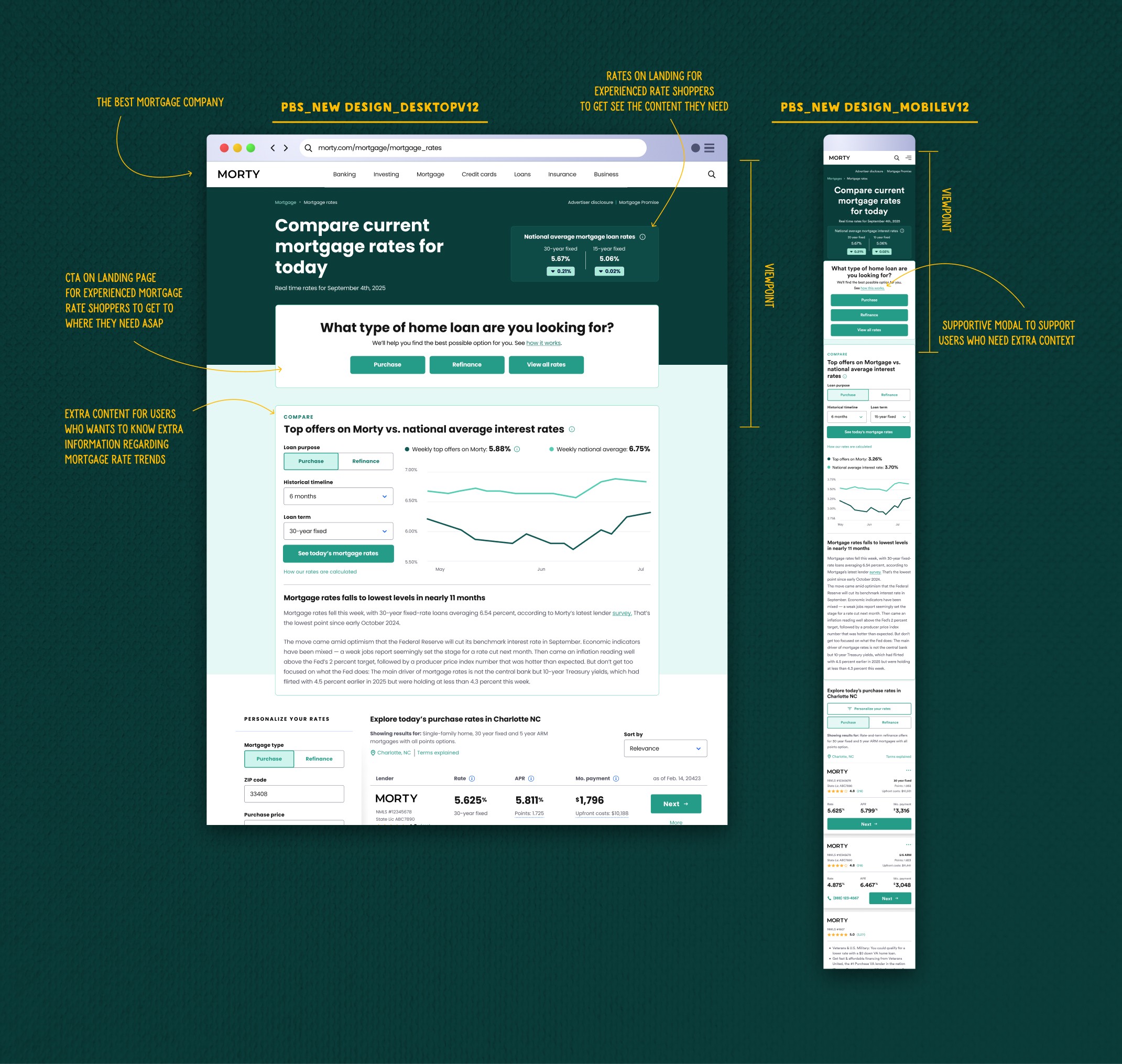
Neither concept alone was the answer. Immediacy built trust. Context built confidence. The final design had to do both.
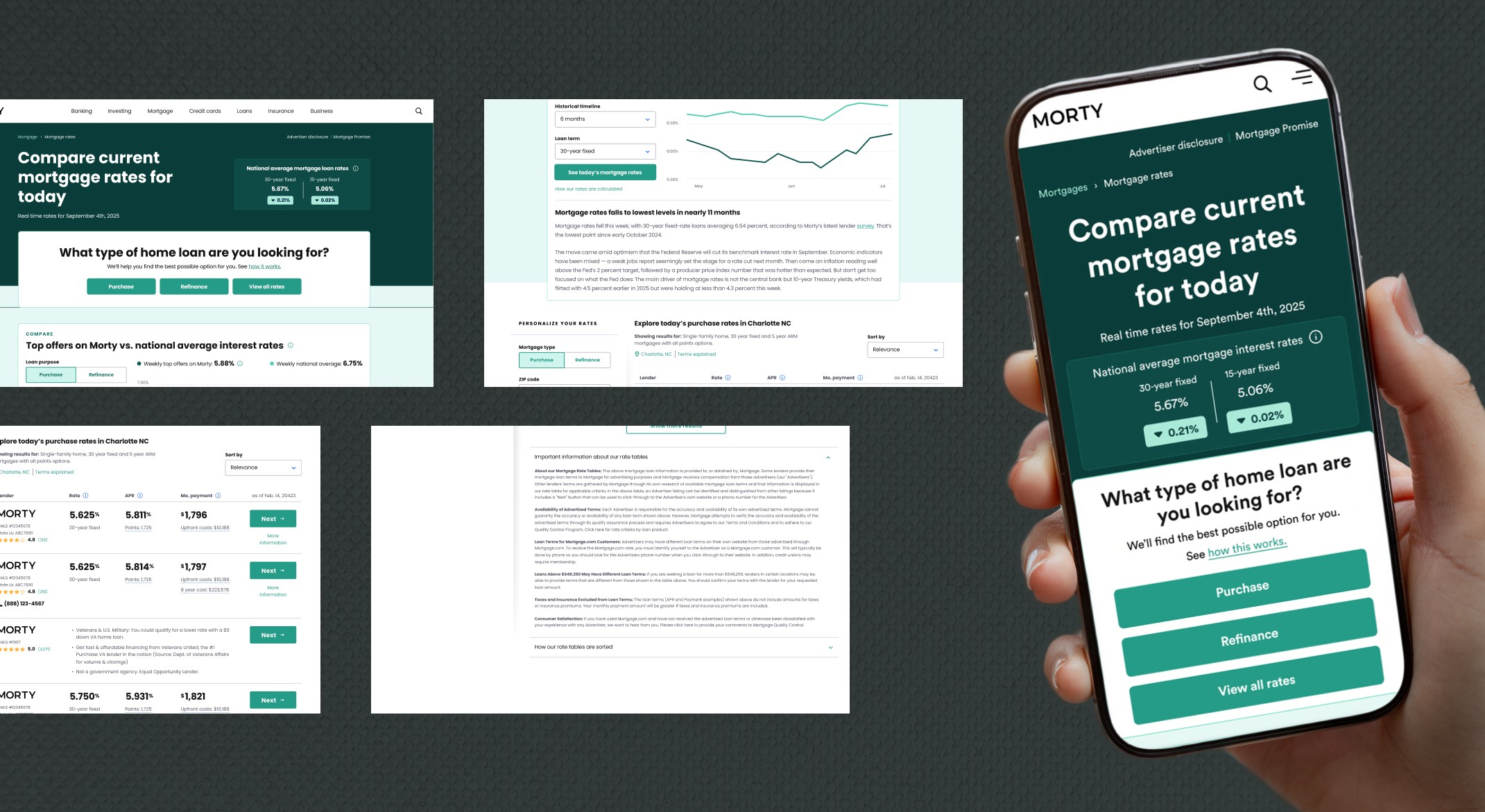
The merged solution leads with rates — surfacing daily mortgage data at the top of the experience — while layering guided personalization below the hero for users who want to drill down. The historical rate graph, which tested poorly in isolation (users found it confusing without framing), was deprioritized in favor of contextual cues that gave numbers meaning without requiring users to interpret a chart independently.
Explorers get enough scaffolding to feel confident. Experts get the data they came for without navigating past it.
Outcome
The design launched as a live A/B split test and delivered measurable wins across every key conversion metric — even under difficult conditions. The test was paused after one week due to organic ranking volatility, but the early results were decisive.
RPS
+5%
Click-to-lead CVR
+8%
CTR
-3%
RPL
Flat
Total Revenue
+4%
Overall click volume dropped slightly, but users who clicked were significantly more qualified. The +8% CVR and +5% RPS gains outweighed the CTR dip — a more informed user is a more valuable one.
Two component-level wins reinforced the structural decisions: replacing dropdown loan type filters with high-visibility buttons drove a +54% lift in filter engagement (3.2% CTR). The "See today's rates" CTA saw a +5% lift, confirming users prefer a scrollable, data-rich experience over a gated entry point.
The test was paused and reverted while SEO and product teams worked through a path forward on rankings. Following an organizational restructure, I transitioned off the project — but the foundation held. The live experience reflects the design system and UXR-backed direction I established.
Reflections
Design as alignment tool. The most important design work wasn't in Figma — it was using prototypes to move conversations forward. When stakeholders disagreed about risk and ambition, a shared artifact replaced abstract debate.
Protecting scope without losing ambition. PBS expanded significantly from its original brief. Staying focused while pushing for something genuinely new required constant communication — with leadership, SEO, and peers. Ownership isn't authority; it's accountability when things get complicated.
Testing earns permission. The decision to test the design that made stakeholders nervous came from making a clear case for what real data could provide that assumptions couldn't.

ROLE
LEAD PRODUCT DESIGNER
TIMELINE
Q3 (6 WEEKS)
TOOLS
FIGMA
USERLYTICS
FIGJAM
CHATGPT + CLAUDE